
Fresco turns one: over 400 websites now live
One year, hundreds of website migrations and plenty learned along the way. As Fresco celebrates its first birthday, we're recognising the people behind the progress, reflecting on the challenges and looking at what's next.
On 5 November 2025, the Oxford University Motor Drivers Club became the first website to go live on Fresco, the University's new web content management platform.
One year later, more than 400 websites are now live on Fresco, supporting academic departments, research groups, colleges, services, projects and student societies across Oxford.
Why the move to Fresco?
Fresco is part of the University's Transforming Oxford's Digital Communications (TODC) programme, which is developing three new platforms: Fresco and Oxweb for external content, and OxIntranet for internal information.
With Mosaic's underlying technology reaching the end of its supported life, the move to Fresco is a necessary step towards a more secure, accessible and scalable web platform that can adapt to the University's changing needs.
The programme's ambition is to make it easier for people to find and access information, while giving content editors better tools and clearer processes. Fresco's initial foundations are in place, but its development is ongoing, with new functionality and improvements being introduced over time.
400+ websites: a huge collective effort
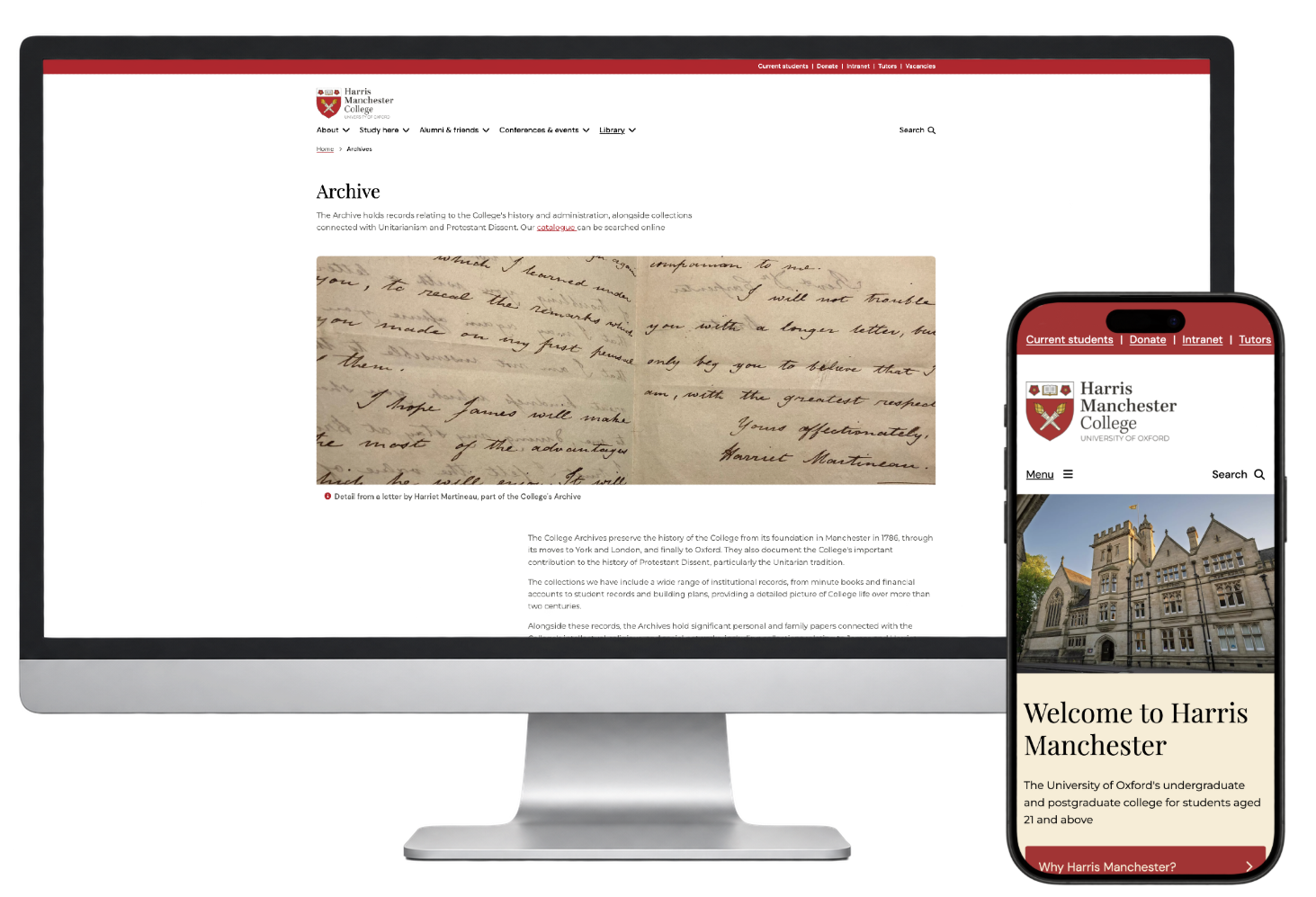
In September alone, 77 websites went live, followed by another 60 in October.
Behind these numbers is a considerable amount of work by site owners, editors and project teams who've reviewed content, learned new tools and managed migrations alongside their day-to-day responsibilities.
We recognise that this hasn't been an easy process for everyone. For many, migration has brought significant additional work and disruption, while some editors have found that features they relied on in Mosaic aren't yet available or work differently in Fresco. We know this has been frustrating, and we're grateful for the time, patience and feedback people have contributed throughout the process.
The Migration team has also worked closely with sites throughout the transition, providing guidance and practical support.
John Kennedy, Communications Lead at TORCH (The Oxford Research Centre in the Humanities), reflects on the experience of migrating the TORCH website, the largest in the University's web estate:
“Stage by stage we were carefully guided and supported through reducing the website size by an expert team. We were also given opportunities to input to the Fresco development process which has been greatly beneficial.”
John also highlighted the expertise of the Migration team and the advice and support provided throughout the process.
Building and improving Fresco
Fresco's first year has seen new functionality introduced alongside improvements to the platform and the way it's developed.
Highlights include:
- Research publications: Integration with Symplectic (the University's research information system) allows research publications to be displayed directly on Fresco pages.
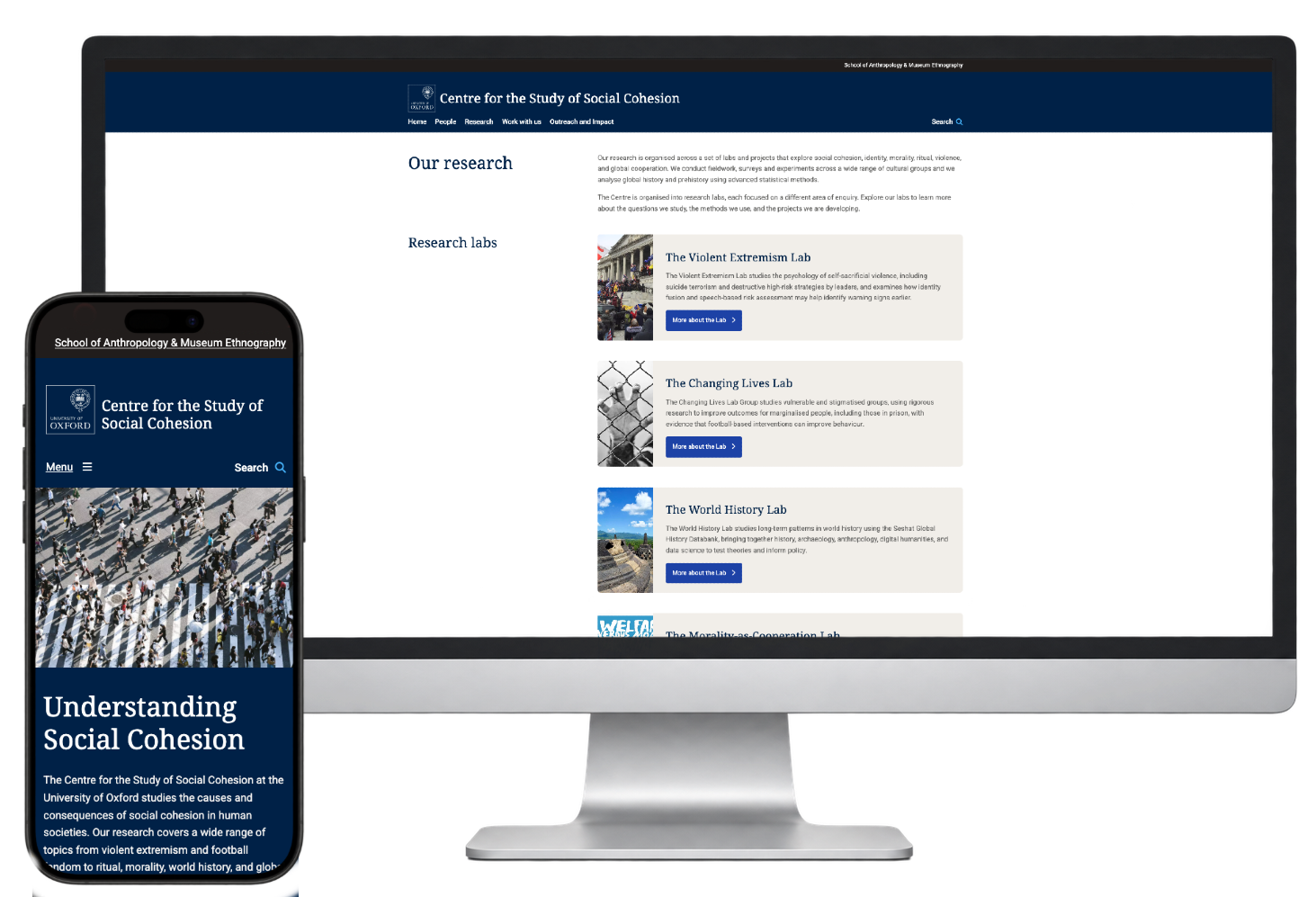
- Styling options: Three styling groups – Oxford Identity, Branded and Specialist – balance individual visual identities with a coherent University-wide approach.
- Page components: New components, including hero layouts, slideshows, media galleries and local navigation, give editors greater flexibility.
- Cookie compliance: Support for managing cookies associated with embedded third-party content has been incorporated into Fresco.
Behind this progress is a substantial effort from the Migration team and Fresco product and service teams, including developers, designers, business analysts and technical specialists. From supporting hundreds of website migrations to delivering new features, resolving issues and responding to user feedback, their dedication has been central to Fresco's first year.
Listening, learning and improving
Fresco is still evolving, and we know there's more to do to deliver the functionality and editing experience users need.
Development takes place in two-week sprints, with regular releases delivering new features, improvements and fixes. Fortnightly release notes keep editors informed about what's changed.
Not every request can be addressed straight away, but feedback is central to deciding what comes next. Through the Fresco User Community Group (FRUG) and dedicated feedback form, editors can help the team understand their needs and prioritise future improvements.
Reflecting on the work so far and the improvements still needed, Liz McCarthy, one of the Fresco sponsors, said:
“Fresco’s first year has been a major shared effort: bringing a new service into use across Oxford and learning from the people who use it every day. A huge thank you goes to everyone who has helped make that happen. We know there's more to do, and the year ahead is important; we’re looking forward to practical improvements that make Fresco work better for site owners, editors and the audiences they serve.”
What's next for Fresco?
Wave 5 (September 2026–January 2027) focuses on improving design flexibility, accessibility and the overall user experience. Planned developments include improvements to font sizing and spacing, improvements to site navigation and menus, new options for embedding forms, blogs and media, high-priority accessibility fixes, and new component layouts for specialist sites.
Looking for inspiration? Explore Fresco’s showcase site to see how different components, layouts and design options can be used to create engaging, user-friendly pages.
Editors can explore what's coming through upcoming sessions on fluid fonts (12 November), page design (20 November) and colour options (4 December). Keep an eye out for invites on FRUG!
Meanwhile, the migration team is turning its attention to the final planned migrations, including the main websites for GLAM and the academic divisions.
One year down. Plenty more to do.
Reflecting on Fresco's first year, David White, TODC programme sponsor, said:
“Fresco's first year marks an important milestone for a project that has demanded significant commitment from many people across the University. Large digital transformations are rarely simple, and the progress we've made reflects the expertise and perseverance of the delivery team, as well as the constructive support and dedication of site owners and editors.
I'd like to thank everyone who has contributed to getting us to this point. Fresco is in a stronger position because of you, and I’m looking forward to seeing the platform continue to improve."
Thank you to everyone who has contributed to Fresco's first year, whether through migrating a website, supporting colleagues, developing the platform, testing functionality or sharing feedback.
Help shape what's next: Join the Fresco User Community Group for regular updates and share your feedback to help inform future improvements.
Reporting a technical issue? Please use the IT Support portal to report system faults or technical problems.